
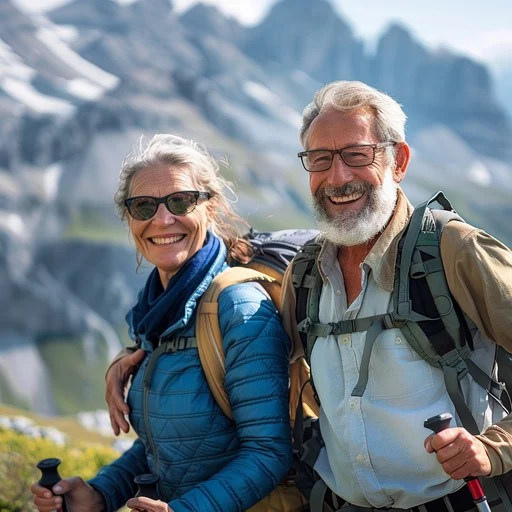
Layering is the single most important clothing skill for anyone spending serious time in the backcountry. The Rockies in particular will throw every kind of weather at you — sometimes in the same afternoon. A sunny 70-degree morning at the trailhead can turn into a 40-degree, wind-driven rainstorm at 12,000 feet by 2pm.
The layering system works because it lets you adapt. Add a layer when you stop moving. Shed a layer when you start sweating. Swap the shell when the rain arrives. Done right, you stay comfortable across a wide range of conditions without carrying more than you need.
Here is how it works and what is worth buying.
The Three Layer System
Every backcountry clothing system is built around three layers, each doing a specific job. Understanding what each layer does makes it much easier to choose the right pieces and use them effectively.
Layer 1 — The Base Layer: Moisture Management
The base layer sits against your skin. Its job is to move sweat away from your body and dry quickly. A wet base layer in cold conditions pulls heat away from your body rapidly — which is why cotton is the one material everyone agrees you should leave at home. Cotton absorbs moisture and holds it, staying wet and cold against your skin.
The two best base layer materials are:
Merino wool — naturally odor-resistant, regulates temperature well in both cold and mild conditions, soft against skin, and does not feel clammy when damp. The trade-off is cost and durability — merino wears out faster than synthetics.
Synthetic (polyester) — dries faster than merino, more durable, less expensive. The trade-off is odor — synthetics hold body odor more than wool on multi-day trips.
For most Rocky Mountain backcountry use, merino is the better choice for its temperature regulation and odor resistance. For high-output activities where drying speed matters most, synthetic has the edge.
For merino wool base layers I recommend SmartWool. I have been personally using SmartWool base layers for years.
Mens SmartWool
Womens SmartWool
Weight to choose:
- Lightweight — high-output activities, mild shoulder season conditions, summer at lower elevations
- Midweight — general fall and spring use, cooler summer conditions above 10,000 feet
- Heavyweight — cold winter conditions, low-output activities in the cold
Layer 2 — The Mid Layer: Insulation
The mid layer traps warm air close to your body and provides the bulk of your insulation. It goes on when you stop moving, when temperatures drop, or when you need extra warmth at camp.
The main options are:
Fleece — breathable, continues to insulate when damp, dries quickly, durable, and affordable. Grid fleece and lightweight fleece are excellent active insulation layers for high-output use. Heavier fleece works well as a standalone camp layer.
[Recommended: Mens Marmot Upward Fleece]
[Recommended: Womens Marmot Rocklin Fleece]
Down insulation — the warmest insulation for its weight, compresses to almost nothing, and lasts for years with proper care. The weakness is performance when wet — down clumps and loses its insulating ability when soaked. Treated down (hydrophobic down) significantly improves wet performance and is worth the premium for Rocky Mountain use where afternoon thunderstorms are a daily reality in summer.
[Recommended: Womens Outdoor Research Transcendent Down]
[Recommended: Mens Outdoor Research Transcendent Down]
Synthetic insulation — insulates when wet, dries faster than down. The trade-off is weight and bulk — synthetic insulation does not compress as well as down and is heavier for equivalent warmth. For consistently wet conditions, synthetic is the more reliable choice.
[Recommended: Womens Outdoor Research Vesper Jacket]
[Recommended: Mens Outdoor Research Vesper Jacket]
Which to choose:
- Fleece — active use, high-output hiking, versatile shoulder season layer
- Down — cold and dry conditions, maximum warmth-to-weight, overnight trips
- Synthetic — wet conditions, high humidity, slightly more bulky when packing
Layer 3 — The Shell: Weather Protection
The shell is your defense against wind, rain, and snow. It does not need to be warm on its own — that is the mid layer’s job. What it needs to do is keep the elements out while allowing moisture from the inside to escape.
Hardshell — fully waterproof and windproof, designed for serious weather. The best hardshells use Gore-Tex or similar membranes that block rain while allowing water vapor from sweat to pass through. Essential for exposed ridge travel, sustained rain, and winter conditions.
[Recommended: Womens Mammut Hardshell]
[Recommended: Mens Mammut Hardshell]
Softshell — more breathable and comfortable than hardshell, with some wind and water resistance. Not fully waterproof — in sustained heavy rain a softshell will eventually soak through. Best for high-output activities in variable but not severe conditions.
[Recommended: Womens Marmot Softshell]
[Recommended: Mens Marmot Softshell]
Wind shell — ultralight, highly packable, blocks wind effectively, minimal water resistance. For dry conditions where wind chill is the main concern, a wind shell weighs almost nothing and adds meaningful warmth without bulk.
[Recommended: Womens North Face Wind Shell]
[Recommended: Mens North Face Wind Shell]
Which to choose:
- Hardshell — sustained rain, exposed alpine terrain, winter travel, serious weather
- Softshell — active hiking in variable conditions without heavy rain
- Wind shell — dry and windy conditions, ultralight travel, layering over insulation
How to Layer in Practice
Understanding the system is one thing. Using it well on the trail is another. Here is how it plays out in real Rocky Mountain conditions.
The Most Common Mistake: Waiting Too Long to Adjust
Most people wait until they are too hot or too cold before adjusting layers. By then you are already sweaty or chilled, and it takes time to recover. The goal is to stay just slightly cool when moving — if you are warm and comfortable at a standstill you will overheat within five minutes of hiking.
A useful rule: if you are comfortable standing still at the trailhead, you are probably wearing one layer too many for the climb ahead.
Stop and Adjust Before You Need To
Anticipate changes rather than reacting to them. Before a long climb, shed a layer. Before a long descent into shade or wind, add one. Before stopping for lunch on an exposed ridge, put the mid layer on before you cool down — not after.
The Reality of Rocky Mountain Afternoons
In Colorado and much of the Rockies, afternoon thunderstorms are a near-daily occurrence from July through September. Plan your layers around the assumption that conditions will deteriorate between noon and 3pm. Your shell should be accessible — top of the pack, not buried at the bottom — every single day during summer months.
Wind Changes Everything
Wind chill at elevation is significant. A calm 50-degree day at 11,000 feet becomes genuinely cold with a 20 mph wind. A wind shell or light mid layer makes a huge difference in these conditions and weighs almost nothing to carry.
Building a Rocky Mountain Layering Kit
Here are two practical kit setups depending on your trip type.
Summer Day Hiking — 8,000 to 13,000 feet
- Lightweight merino or synthetic base layer top
- Lightweight fleece or grid fleece mid layer
- Packable hardshell or wind shell
- Convertible hiking pants or lightweight softshell pants
Total added weight over a t-shirt and shorts: roughly 1.5 to 2.5 lbs depending on choices. Worth every ounce above treeline.
Multi-Day Backcountry Trip — Any Season
- Midweight merino base layer top and bottoms
- Lightweight fleece mid layer
- Hydrophobic down or synthetic insulated jacket
- Gore-Tex hardshell jacket and pants
- Merino or synthetic buff and liner gloves
This covers you from summer afternoons to cold nights at high camp and handles everything the Rockies are likely to throw at you across three seasons.
Layering for Wildlife Viewing
When your out hiking with the intention of viewing wildlife it is important to consider the color of clothing you choose. I like to dress in muted earth tones for all my layers, as well as carrying a lightweight camouflage layer that i can toss on while I’m sitting for long periods waiting for wildlife to photograph. I carry something like this ghillie suite when I’m out. I don’t wear it while hiking, rather I have it in my pack and toss it on when I’m sitting and waiting. It helps to break up your outline and blend in with surroundings.
For more information on wildlife viewing check out these articles:
–Building a hide for wildlife viewing
–How to spot wildlife without disturbing it
What to Look for When Buying Each Layer
Base Layers
- Material: merino wool or synthetic — no cotton
- Weight: matched to your planned activity intensity and temperature range
- Fit: close but not restrictive — base layers work best with minimal air gap between fabric and skin
- Seam placement: flatlock seams reduce chafing under a pack
Mid Layers
- Packability: a mid layer you actually carry beats a warmer one left in the car
- Zip: full zip gives more ventilation control than a half zip or pullover
- Pockets: chest pockets keep phones and snacks warm and accessible
- Helmet compatible hood: worth having on insulated jackets for alpine use
Shells
- Waterproof rating: look for at least 10,000mm hydrostatic head for reliable rain protection
- Breathability rating: 10,000 g/m²/24h or higher keeps you from overheating on the climb
- Pit zips: underarm zippers dramatically improve ventilation on hard uphill sections
- Hood: should be helmet-compatible and adjustable with one hand
- Packability: a shell that packs into its own pocket is worth the slight premium
Frequently Asked Questions
Is merino wool worth the extra cost?
For most backcountry use, yes. The odor resistance alone makes it worth it on multi-day trips where you are wearing the same base layer for several days. The temperature regulation across a wide range of conditions is also genuinely better than synthetic. If budget is a concern, prioritize merino for your base layer top — the piece closest to your skin that matters most — and use synthetic for bottoms and secondary layers.
How many layers do I actually need to carry?
For a summer day hike in the Rockies: base layer, one mid layer, and a packable shell — three pieces total. For a multi-day trip or shoulder season travel: add a heavier insulation layer and hardshell pants. You rarely need more than four layers in the field — the goal is versatility through combination, not volume.
Can I use a rain jacket as my shell?
Yes — a quality waterproof rain jacket is a hardshell by another name. The key is breathability. A cheap waterproof jacket that does not breathe will soak you from the inside with sweat on a hard climb as effectively as rain soaks you from the outside. Look for a breathable waterproof membrane — Gore-Tex, eVent, or similar — rather than the cheapest waterproof option available.
What about legs — do I need to layer those too?
On most summer day hikes, convertible pants or lightweight hiking pants over a base layer bottom is sufficient. For cold, wet, or winter conditions, hardshell pants over a base layer make a significant difference. Many hikers under-invest in leg layering and pay for it on cold, wet descents.
How do I care for technical layers?
- Wash merino wool on a gentle cycle in cold water, lay flat to dry
- Wash synthetic base layers inside out to reduce odor buildup
- Use a technical wash like Nikwax for down and shell garments — standard detergent degrades waterproof coatings and down loft over time
- Reactivate DWR coating on shells by tumble drying on low heat after washing
- Never dry clean down garments
Prices vary significantly by brand and retailer. As an amazon associate we earn from qualifying purchases.