
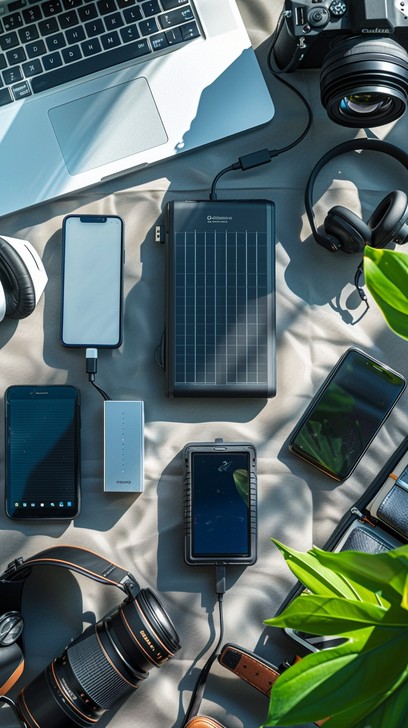
If you have ever watched your phone die at -5°C despite showing 40% battery, or had your headlamp fade to almost nothing on a winter hike, you have experienced the most frustrating quirk of battery chemistry: cold kills performance, fast.
It does not matter how new your batteries are or how fully charged they started. Below freezing, even the best lithium cells lose a significant portion of their usable capacity. The good news is that the fix is simple — warmth. This guide covers why cold affects batteries, which types are most vulnerable, and exactly what to do about it in real outdoor conditions.
Why Cold Weather Drains Batteries
Batteries generate electricity through a chemical reaction between two electrodes and an electrolyte. Cold temperatures slow that chemical reaction down — sometimes dramatically. The battery still has its full charge stored, but it cannot release that energy fast enough to power your device.
The result is that your device reads a low or dead battery, shuts down, or underperforms — even though the battery recovers most of its capacity as soon as it warms up again. You have not lost the charge. You have temporarily lost access to it.
At around -10°C, a standard alkaline battery can lose up to 50% of its usable capacity. Lithium batteries handle cold far better, but they are not immune. Below -20°C, even quality lithium cells begin to struggle.
Which Battery Types Handle Cold Best
Not all batteries respond to cold in the same way. Understanding the differences helps you make better gear choices for winter trips.
Lithium (Primary)
Lithium AA and AAA batteries are the gold standard for cold weather use. They maintain performance down to around -40°C, weigh less than alkaline equivalents, and have a long shelf life. They cost more, but for winter hiking, mountaineering, or any cold-weather trip, they are the only sensible choice for devices that take replaceable batteries.
- Best cold-weather performance of any replaceable battery type
- Rated to -40°C by most manufacturers
- Lighter than alkaline — a practical bonus for backpacking
- Longer shelf life — good for emergency kits and infrequently used gear
Lithium-Ion (Rechargeable)
The lithium-ion cells inside phones, GPS devices, cameras, and rechargeable headlamps handle cold better than alkaline but worse than primary lithium batteries. They typically start losing performance noticeably below 0°C and can shut down a device around -20°C even with charge remaining.
Lithium-ion also suffers permanent capacity damage if charged in freezing temperatures — so avoid plugging in your phone or power bank when both are still cold from being outside.
Alkaline (Standard AA/AAA)
Alkaline batteries are the worst performers in cold weather. At 0°C they lose around 20 to 30% of capacity. At -10°C that can reach 50% or more. They are cheap and widely available, but if you rely on alkaline batteries for critical gear in winter, you will be disappointed.
- Acceptable for mild cold (around 0°C to -5°C) with careful management
- Avoid for primary navigation, safety lighting, or emergency use in winter
- Keep in an inside pocket if you must use them
NiMH Rechargeable
Standard NiMH rechargeables perform better than alkaline in the cold but worse than lithium. Panasonic Eneloop Pro cells are specifically rated for lower-temperature use than standard NiMH and are a reasonable choice for moderate cold if you prefer rechargeables for environmental or cost reasons.
Practical Methods for Keeping Batteries Warm
The strategies below are drawn from real-world winter hiking, mountaineering, and cold-weather camping. They range from simple and free to worth spending a little money on.
1. Keep Devices and Batteries Close to Your Body
Body heat is your most reliable battery warmer in the field. An inside jacket pocket keeps a phone, GPS, or spare batteries at close to core temperature regardless of the air temperature outside.
- Store your phone in an inner chest pocket, not an outer shell pocket
- Keep spare batteries in a small pouch inside your mid-layer or base layer pocket
- At night in a tent, sleep with your phone, GPS, and spare batteries inside your sleeping bag or in a clothing layer at the bottom
- Camera batteries lose performance quickly — keep a spare warm in your pocket and swap them out as needed
This costs nothing and is the single most effective technique available. The difference between a phone in an outer shell pocket and one in an inner fleece pocket at -10°C is often the difference between a device that works and one that shuts down.
2. Use an Insulated Battery Case or Pouch
A small insulated case or pouch adds a layer of thermal protection between your batteries and the cold air. These are particularly useful when a device must be used outside rather than kept in a pocket — cameras, GPS units, and radios that you need to access regularly.
- Neoprene cases provide basic insulation and are available for most phone models
- Generic insulated pouches work well for spare battery storage on the trail
- Camera-specific battery cases are designed for exactly this purpose and worth carrying if you shoot in winter
3. Use Hand Warmers Alongside Batteries
Air-activated hand warmers generate heat for several hours and are lightweight enough to carry in bulk. Placing one alongside spare batteries in a small zip-lock bag inside your pack creates a warm microclimate that keeps cells at a usable temperature throughout the day.
- HotHands single-use warmers are widely available and cost-effective
- Reusable electric hand warmers with a built-in power bank serve double duty as both a warmer and a small charger
- Do not place warmers in direct contact with bare lithium-ion cells for extended periods — aim for warmth, not heat
4. Insulate Your Device Directly
For devices that need to be mounted externally — GPS units on a handlebar, a phone on a chest mount, or a camera worn around the neck — wrapping the device in a thin insulating sleeve adds meaningful protection when body heat is not an option.
- Insulated phone sleeves designed for ski and outdoor use combine thermal protection with touchscreen-compatible windows
- Even wrapping a device in a spare buff or thin fleece layer helps in a pinch
5. Carry a Compact Power Bank as a Buffer
A compact power bank acts as a buffer between your charging source and your phone. In cold weather, a high-quality power bank that you keep warm in an inner pocket performs far more reliably than your phone’s internal battery exposed to cold air — meaning you can let the phone stay cold, keep the power bank warm, and charge when needed.
- Keep the power bank in an inner pocket rather than exposing both devices to the cold
- Anker’s PowerCore range is reliable and available in sizes from 5,000mAh to 26,800mAh
- Look for power banks rated for low-temperature operation if you spend serious time below -10°C
6. Warm Batteries Before Use, Not During
If your batteries or devices have been exposed to cold — left in a pack outside overnight or stored in a car during a cold night — warm them up before you need them, not when you are already in trouble.
- Bring spare batteries inside your tent in the evening before an early alpine start
- Let a cold phone warm up gradually inside your jacket before expecting it to perform
- Never force charge a lithium-ion battery that is below freezing — this causes permanent internal damage and reduces long-term capacity
7. Choose Gear Designed for Cold Weather
Some headlamps and GPS devices allow the battery pack to be worn inside your clothing, connected by a short wire to the device worn outside. This keeps the battery at body temperature regardless of external conditions and is the most reliable solution for extreme cold.
- Petzl cold-weather headlamps with external battery packs keep cells inside your jacket while the light sits on your head
- Some GPS units accept lithium AA batteries as an alternative to their internal rechargeable cell
- Garmin inReach satellite communicators have external battery cable accessories for extreme cold use
Cold Weather Battery Tips by Device Type
Smartphones
- Keep in an inner chest pocket at all times in temperatures below -5°C
- Use low-power mode to reduce drain when operating in cold conditions
- Turn screen brightness down — it reduces both power draw and heat generation
- If the phone shuts down, warming it against your skin for five minutes usually restores it
- Never charge a phone that is frozen or has just come in from extreme cold — let it reach room temperature first
GPS Devices
- Use lithium AA batteries rather than alkaline or NiMH in replaceable-battery GPS units during winter
- Carry spare batteries pre-warmed in an inner pocket
- If using a rechargeable GPS, keep it in an inner pocket when not actively navigating
- Download offline maps before your trip — searching for a signal drains the battery faster in cold conditions
Headlamps
- Swap to lithium AAA batteries for any winter use below -5°C
- Store the headlamp inside your sleeping bag at night, or at minimum inside the tent rather than in a cold pack vestibule
- For long winter nights, choose a headlamp with an external battery cable that can be worn inside your jacket
- Keep a spare set of batteries in your sleeping bag stuff sack as a guaranteed warm backup
Cameras and Action Cameras
- Carry two or three batteries and rotate them between your camera and a warm inner pocket
- A battery grip on a DSLR or mirrorless camera adds both capacity and physical bulk that slows heat loss
- GoPro and action cameras are especially vulnerable — keep in a pocket between shots
- Some photographers place a heat pack inside their camera bag when shooting in extreme cold
Satellite Communicators and PLBs
- These are safety devices — treat their battery management as a priority above all other gear
- Garmin inReach and SPOT devices use internal lithium-ion batteries that should be kept close to your body in cold conditions
- PLBs (personal locator beacons) use long-life lithium batteries with better cold tolerance, but still benefit from being kept warm
- Check the battery level and cold-temperature rating of your specific device before any winter trip
What to Carry on a Winter Trip: A Simple Battery Kit
A few inexpensive additions to your kit make cold-weather battery management much easier. This is a practical list, not an exhaustive one.
- Lithium AA and AAA batteries — one full spare set for each battery-powered device you carry
- Small zip-lock bags — for storing spare batteries with a hand warmer on very cold days
- Hand warmers (x4 minimum) — one pair for your hands, one pair for the battery pouch overnight or in extreme cold
- Compact power bank (10,000 to 20,000mAh) — kept in an inner pocket as a warm buffer for your phone and devices
- Insulated phone pouch — for times when your phone must be accessible but cannot stay in a pocket
Frequently Asked Questions
Can cold weather permanently damage a battery?
Cold by itself does not permanently damage most batteries — the capacity loss you experience at low temperatures is reversible once the battery warms up. The exception is charging a lithium-ion battery while it is below freezing. This causes metallic lithium to plate onto the anode, which permanently reduces capacity and can create a safety risk over time. Always let cold lithium-ion devices warm to at least 5°C before charging.
Why does my phone die at 20% in the cold?
The percentage shown on your phone’s battery indicator is an estimate based on normal temperature conditions. In cold weather, the chemical reactions in the battery slow down and the phone can no longer draw power at the rate it expects. The device shuts itself down as a protection measure, even though the charge is still physically present. Warming the phone — against your skin or inside a jacket — will typically restore it to near the indicated percentage.
What is the best battery for a headlamp in winter?
Energizer Ultimate Lithium AA or AAA batteries are the best choice for any headlamp used in temperatures below -5°C. They maintain performance down to -40°C, weigh less than alkaline, and will not fail when you need light most. For rechargeable headlamps, keep the device inside your clothing when not in active use and store it in your sleeping bag at night.
How cold is too cold for lithium-ion batteries?
Most consumer lithium-ion batteries begin to show meaningful performance loss below -10°C and may shut down devices around -20°C to -30°C, depending on the specific cell and device. For standard consumer electronics, the practical limit is around -20°C even with careful management. Specialist cells in devices like the Garmin inReach are rated lower, but should still be kept warm for reliable operation.
Does storing batteries in a freezer extend their life?
No — and this is an old myth worth correcting. Modern lithium and alkaline batteries are best stored at room temperature in a dry environment. Freezing and thawing can introduce condensation that causes corrosion, and the temperature cycling provides no benefit for modern battery chemistry. Store spare batteries in a cool, dry indoor location.
Replace with your own affiliate tracking links before publishing. Prices and availability vary by retailer and region. Always verify battery compatibility with your specific device before use in critical outdoor situations. As an Amazon Associate, we earn from qualifying purchases.